Mining, Ground Moving, Agriculture
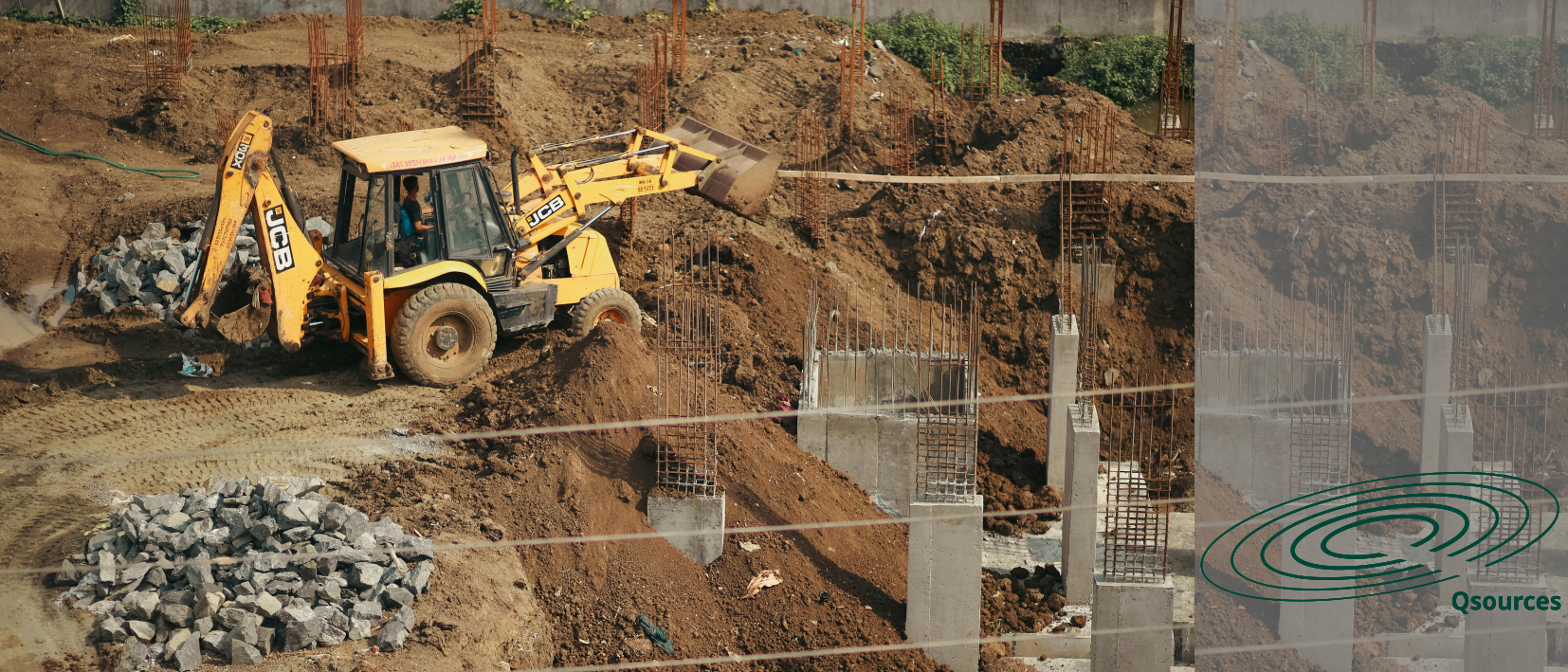
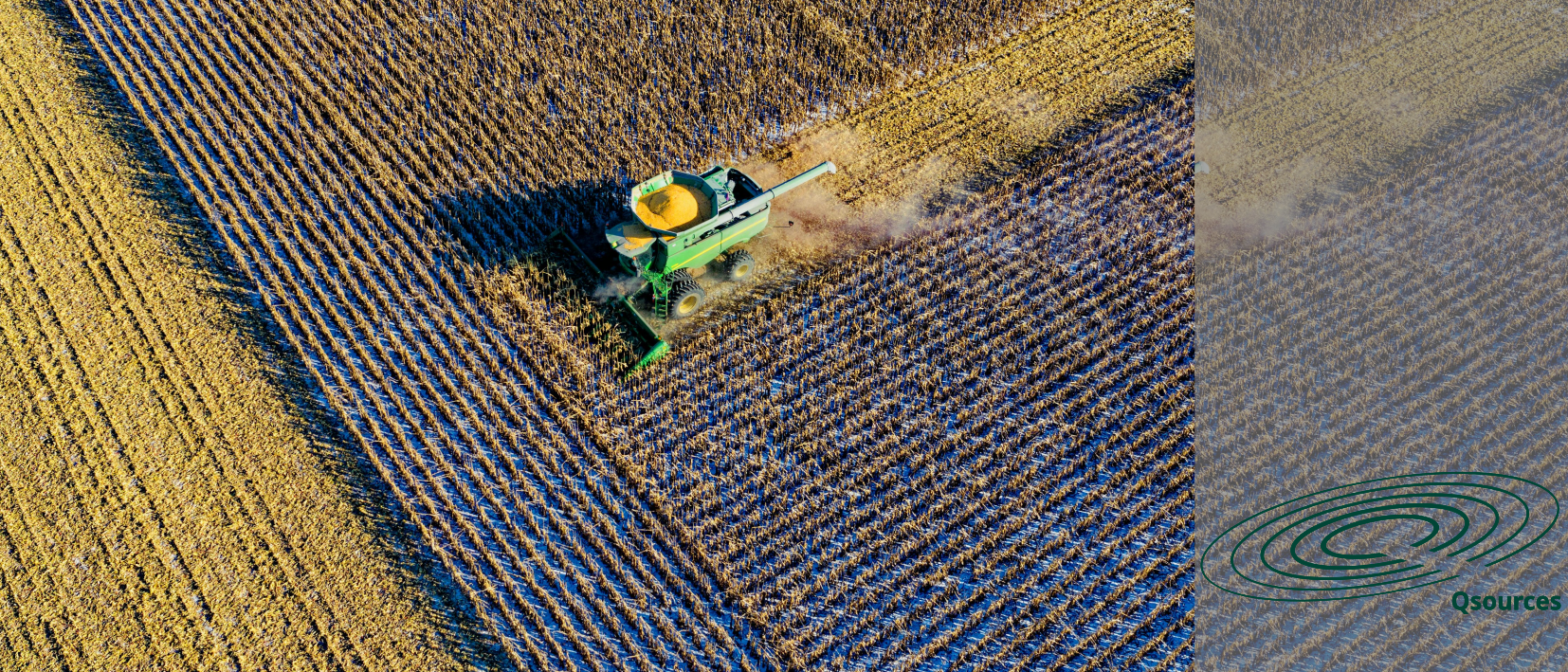
Most agricultural, all ground moving and all mining machines operate under high dynamic loads, in harsh environmental conditions, and often in close proximity to the operators.
To allow long working hours of operators, not risking their health, a sufficient level of control over the vibrations and noise is needed. Noise and vibration engineering involves optimization of the systems, their integration in the frame, their noise emission, and using encapsulations, and optimizing linking and suspension systems. When carefully engineered, a good cabin isolation is possible as well as regulatory compliance.
Experimental Modal Analysis, structure borne Transfer Path Analysis, airborne isolation analysis, hybrid sub-structuring FE models and tested FRF matrices, are techniques available to allow control of the vibrations and noise of systems and assemblies. Qsources provides the artificial excitation devises to make such analysis more efficient and more reliable. And our partners like Siemens, Head acoustics, Polytec and several others in the market provide software and sensing infrastructure for such analysis.
Another main issue is reliability. Service on-site is expensive and often impossible leading to non-availability and high operating costs. Part of the reliability is structural durability. Many components are exposed to repeated shocks and cyclic vibration due to, for example, drive-line and belt operations. So beside quasi-static stress and stiffness analysis it is necessary to manage the eigenfrequencies and modes of components, systems and consoles to reach sufficient, structural durability and fatigue resistance. Experimental modal analysis in various ways to verify the implementation, or to improve the FE models, helps to safeguard durable structural integrity.
Qsources is part of the chain, providing advanced structural and acoustic excitation systems, Access to the critical locations and parts is essential. Qsources provides powerful exciters in very compact sizes for accurate measurements. Providing the highest force and sound power density in the industry. Compact sound sources and shakers allow quality NVH measurements on very large, heavy, and highly damped machines—both in laboratory environments and, where needed, on-site in the field.
Some Applications
System interface engineering for durability
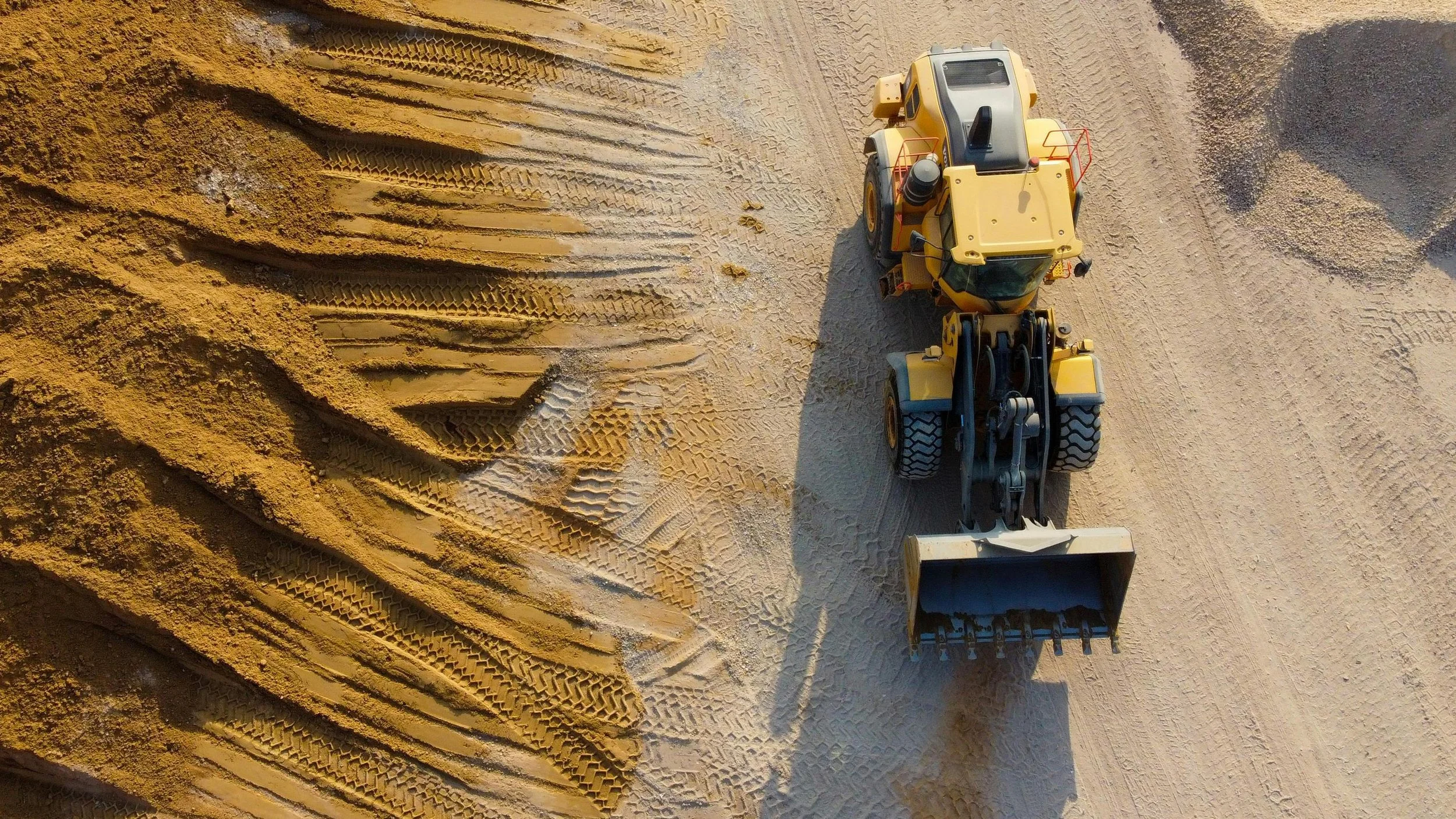
The parts are strong. The FE analysis is done, and the bearings are chosen with sufficient load carrying ability. Everything seems under control, until the assembly starts to vibrate violently in full operation. The joints, bearings and the consoles linking the parts are often a main issue. When are consoles stiff enough? Is the support in lateral direction (non-primary operating direction) sufficient? Modal analysis testing on the complete machine, on sub-system, and on two-link assemblies helps to make good multi-body models, and FE assembly models which incorporate the interface flexibility and damping.
The Qsources self-supporting, self-aligning and self-suspending shakers make such testing efficient, more accurate and less technician experience dependent. And the force sensors (and on some acceleration sensors) are integrated in the shakers to save space and improve reliability. Depending on the size and frequency range the following shakers are most suitable:
It may be beneficial, for diagnosis or for modelling, to measure the full dynamic stiffness of the critical interfaces. The mechanical impedance stiffness and cross dynamic impedances between all different directions (DOF’s) of the interface can now be measured more efficiently and more accurately with the above shakers and potentially also using the 3 DOF coupler:
The clearances and damping in the bearings or joints, are often too complex to include in the multi-body models. So a limited and best approximation model is needed for inclusion in the large assembly simulation. Such approximate joint models can be extracted from limited machine operation combined with artificial excitation
The self supporting Qsources shakers allow to excite and measure the modes of multi-link assemblies under cyclic movement to make the joints or bearings work. Attaching the Qsources shakers to the moving links makes it possible to measure more accurately in such conditions or such test-beds. Such tests are virtually impossible using other excitation means like instrumented hammers or externally supported shakers with stingers and force cells. Or dedicated test-beds to determine joint behavior, for example engaging two or multiple links with multiple hydraulic actuators, are far more expensive.
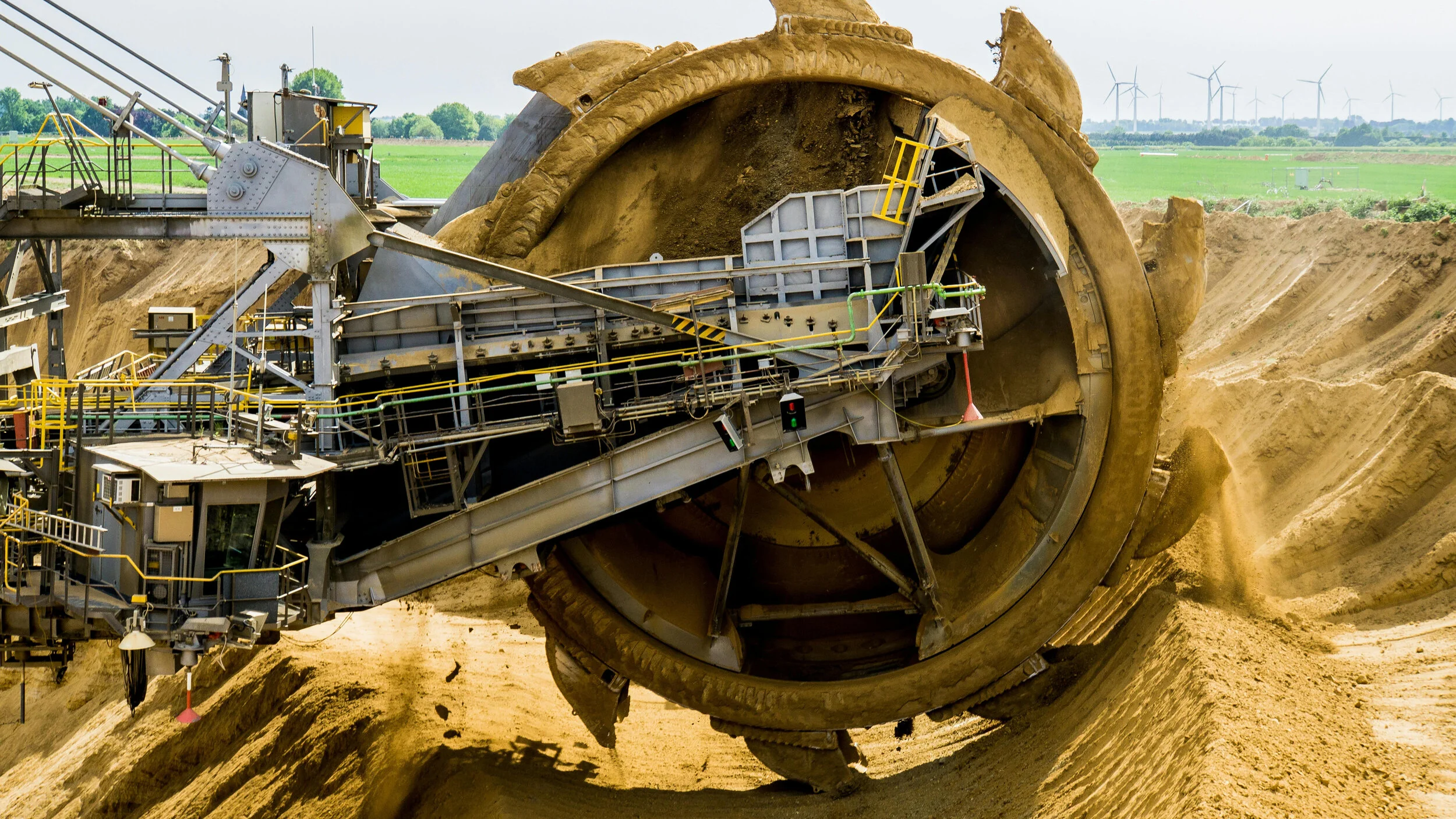
Diagnosing vibration issues on large machines
To find the cause of vibration issues on large machines is not evident. Human presence near the critical components in operation is mostly prohibited. And large machine operation only for the purpose of testing is often too expensive. Using the high force level Qsources Qsls shaker to approximate or simulate an operating load is an option. It is feasible because the shaker allows to be attached to the machine at various locations, at any inclination, and even using an adhesive such that the structure remains intact. Such non-operational tests can help finding critical parts with excessive clearance or local modes.
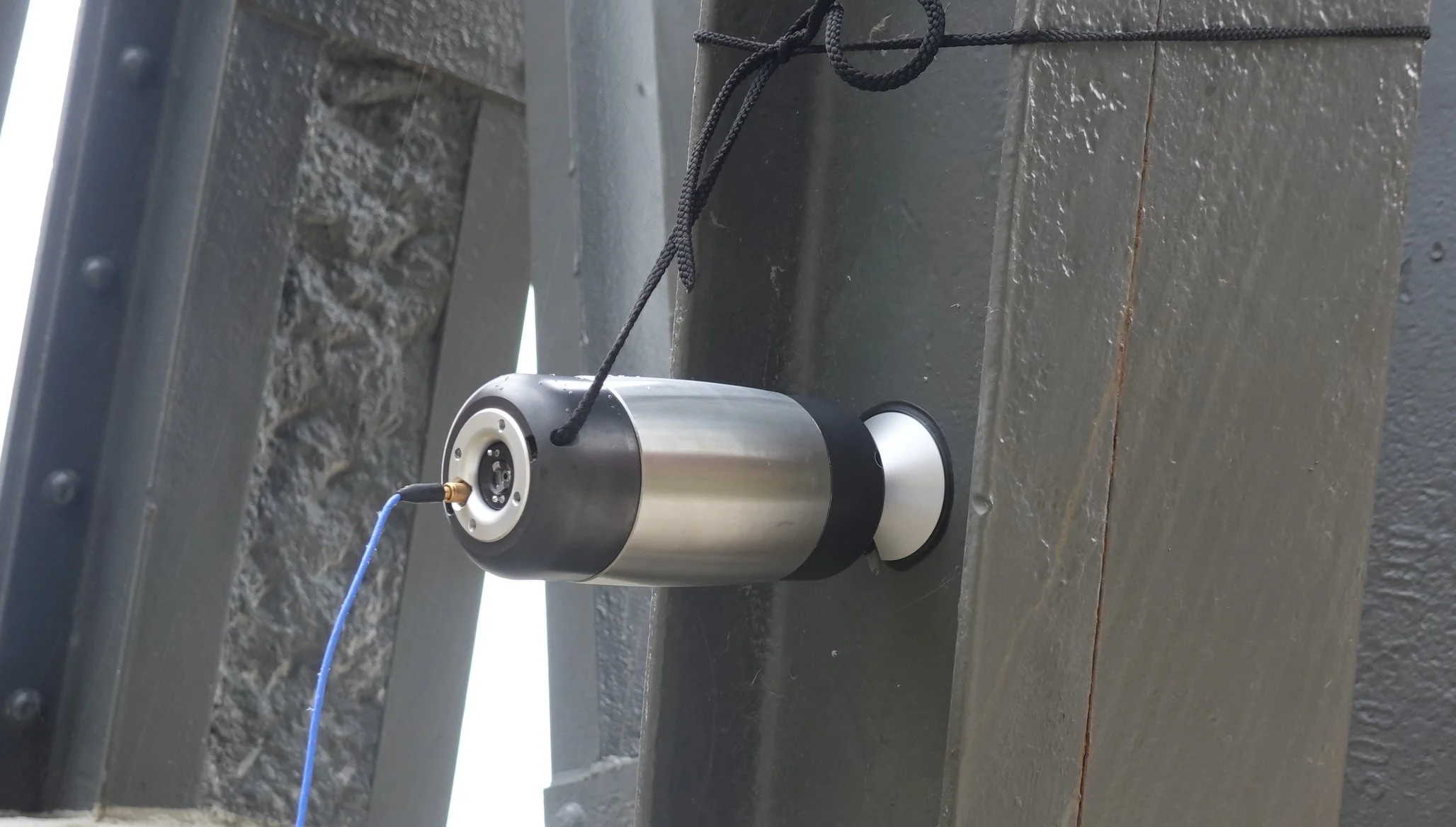
The main advantage of the integrated self-supporting shakers is: there are no external supports needed, nor special fixtures. Which is unique for shaker measurements on this kind of structures.
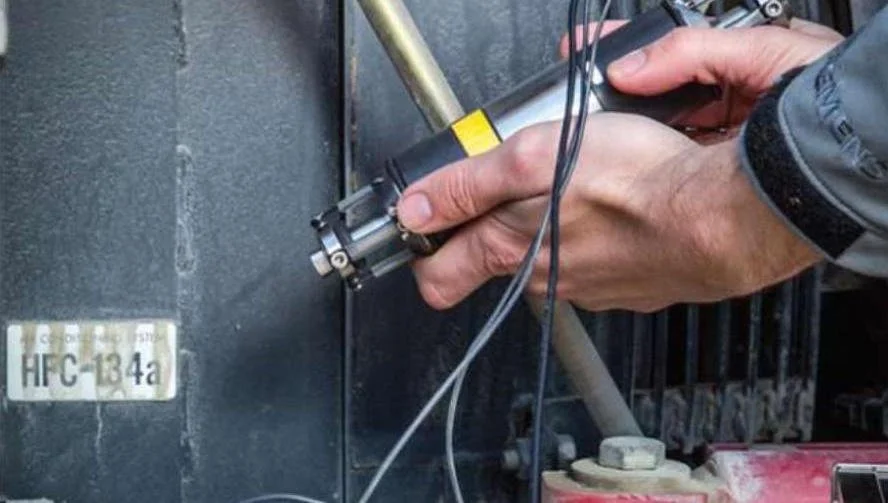
And measuring the local eigen modes of links, beams, scrapers, crunchers etc. on a fully assembled machine also becomes a lot more feasible when the exciter is compact, self-supporting, and can even be attached using a structural adhesive, as can be seen on the photo.
The two Qsources shakers most suitable for such applications:
Operator cabin noise and tactile vibrations
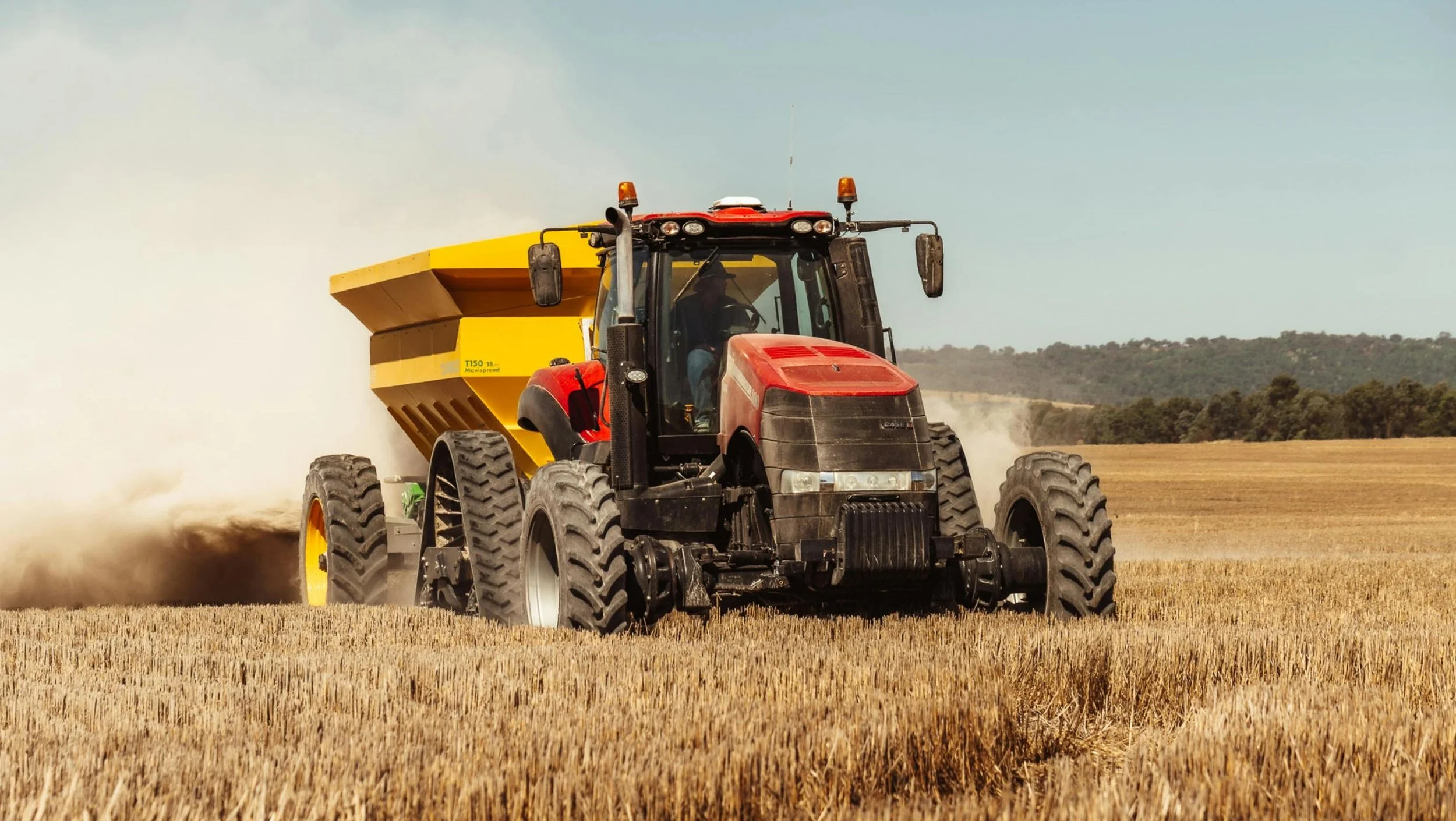
The fatigue of the operators, the quality of their work, the maximum allowable continuous working hours, are all related to high noise levels and high levels of tactile vibration on the levers and other controls. Controlling such is therefore a main factor in the economics of operating the machines or vehicles.
Booming is a main issue in cabins, especially in smaller volume versions on tractors and other agricultural machines.
The use of vibro-acoustic reciprocity is already in practice at some manufacturers in the agricultural domain. It is used because sensitivities of the cabin can be found efficiently by using a volume sound source and measuring the FRF (transfer functions) with accelerometers. Going around the cabin supports exciting with controlled forces in multiple directions is far less efficient at providing the same information.
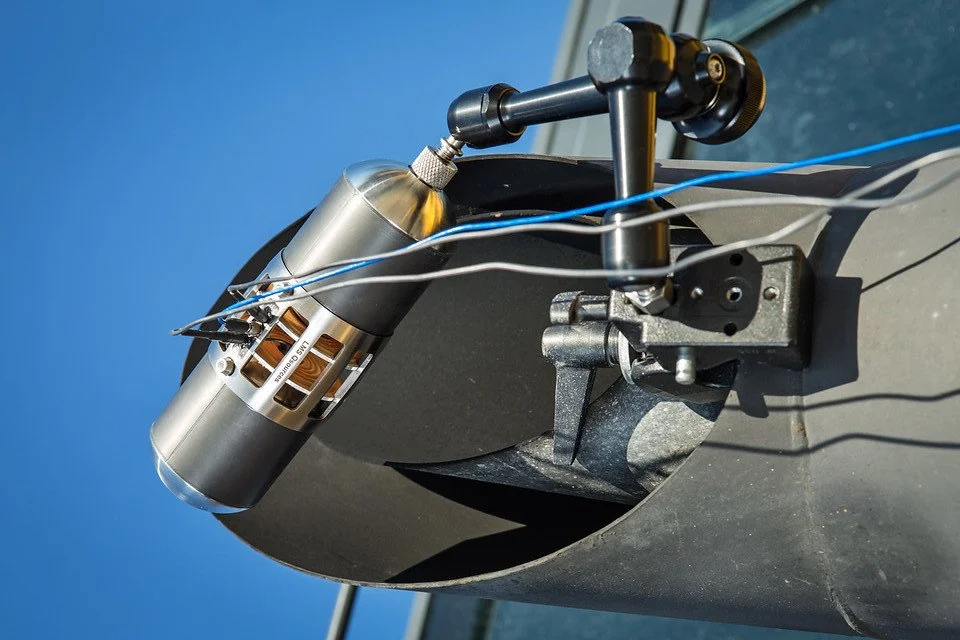
Using acoustic reciprocity to identify standing waves and weak panel isolation also tends to be much more efficient that mounting a microphone at the ear location of the operator and going around with a speaker or source. Placing the active center of a volume source in the ear location of the operator and going around with one or more microphones has been proven to supply the same accuracy of information in far less time. (The photo on the side shows placement of a Qmed volume source at the tractor engine tailpipe of the exhaust system for a measurement to the cabin interior microphones)
Volume sound sources for low and medium frequencies for such application:
When the target is tactile vibration analysis, or if the noise analysis includes measurements of the dynamic forces at the cabin supports, excitation with shakers is inevitable. In such analysis the structural excitation at the transfer paths, like cabin supports in 3D, or at interfaces in the links are needed. To do this efficiently and limiting the risk of limited quality data due to less experience of the technician. one of the smaller Qsources shakers can be used:
The above described types of measurements can be combined into a full Transfer Path Analysis. TPA for structure borne or ASQ for airborne analysis requires software to analyze and post-process, like our partners Siemens and Head Acoustics and others in the market propose.
Hydraulics induced whine
Finding causes of higher frequency noises, like whine from pumps and hydro-motors, uses similar transfer function measurements and similar analysis methods as the low frequency cabin noise analysis described above.
The most compact and accurate volume sound sources for such measurements:
The smallest capable shakers for analysis from 100 Hz upwards, even on heavy machinery:
All described measurements also require software and sensors, of which several are available in the market. Depending on the exact application our partners,
Siemens, HEAD acoustics, Polytec all propose leading full chain solution including the Qsources excitation sources and shakers.