Medical equipment and scanners
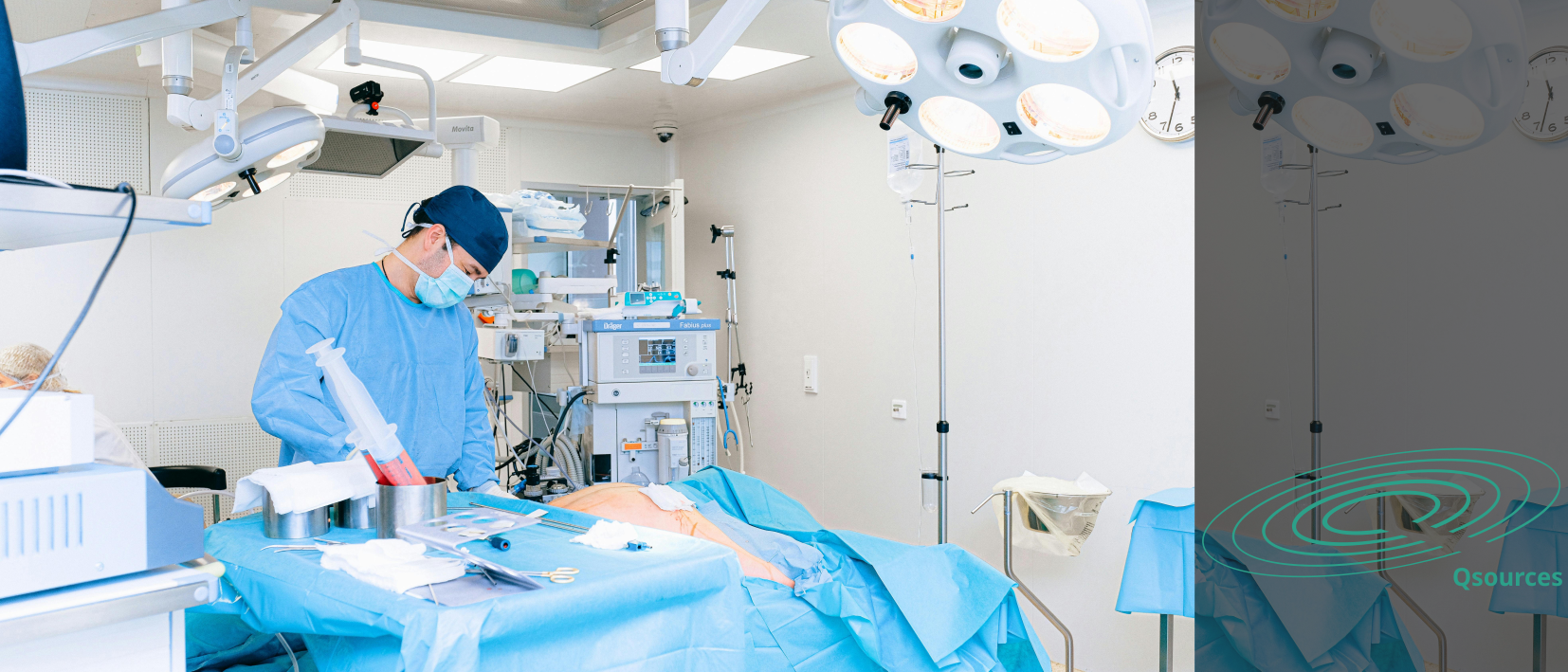
Imagine an operating room with a slushing pump, a whining bone drill, a hissing lung respirator, a booming cooling- and air filtering system, and a squeaking table lift. Then imagine you are part of the operating team and you cannot get annoyed, have to concentrate, and are trying to understand a request by the surgeon. It seems that the value of quiet and well controlled equipment in the operating theater is clear.
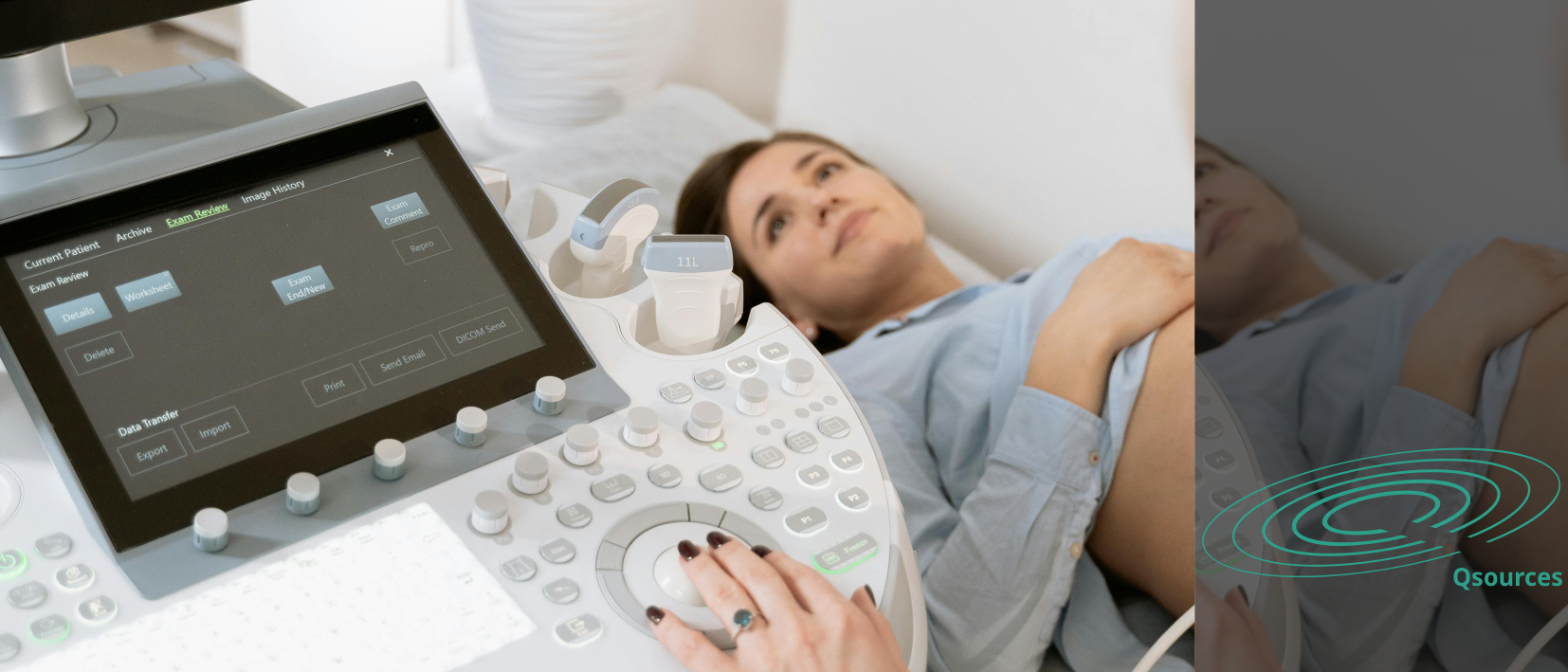
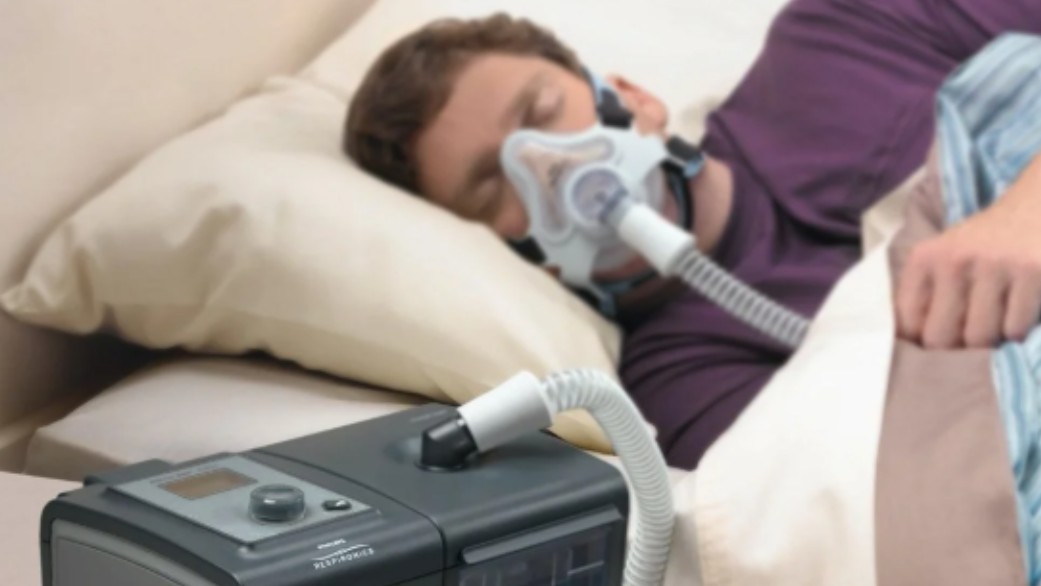
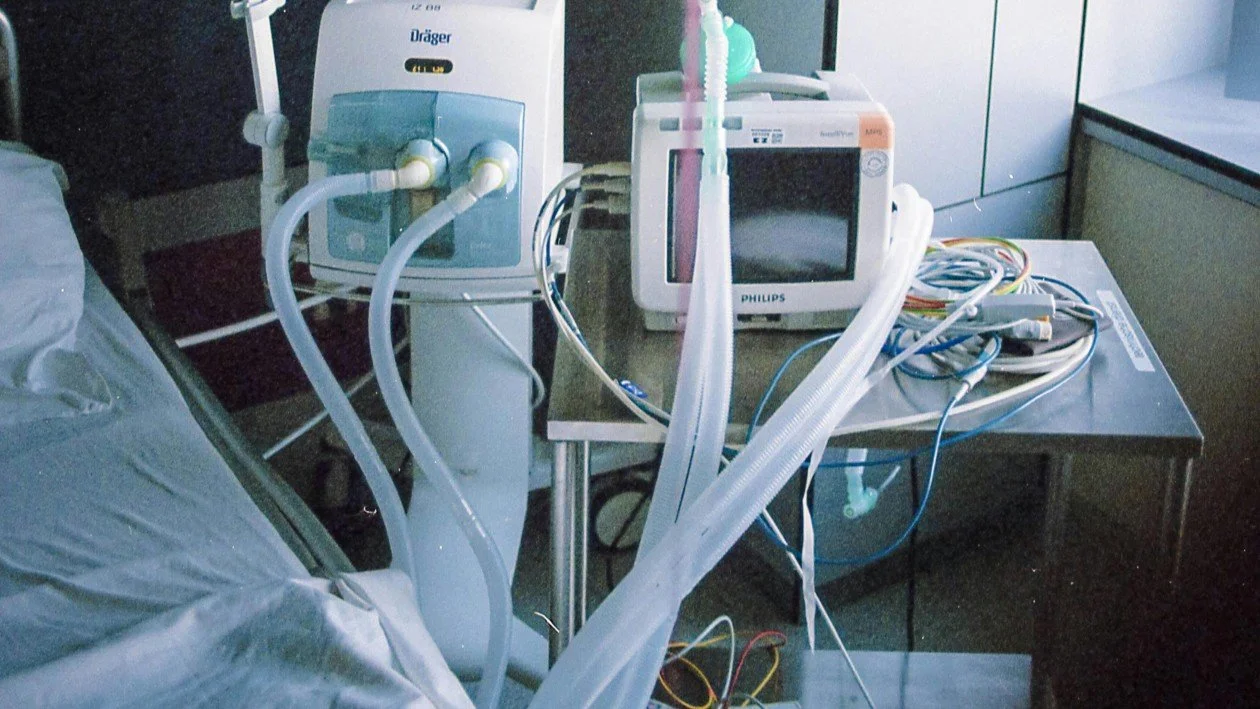
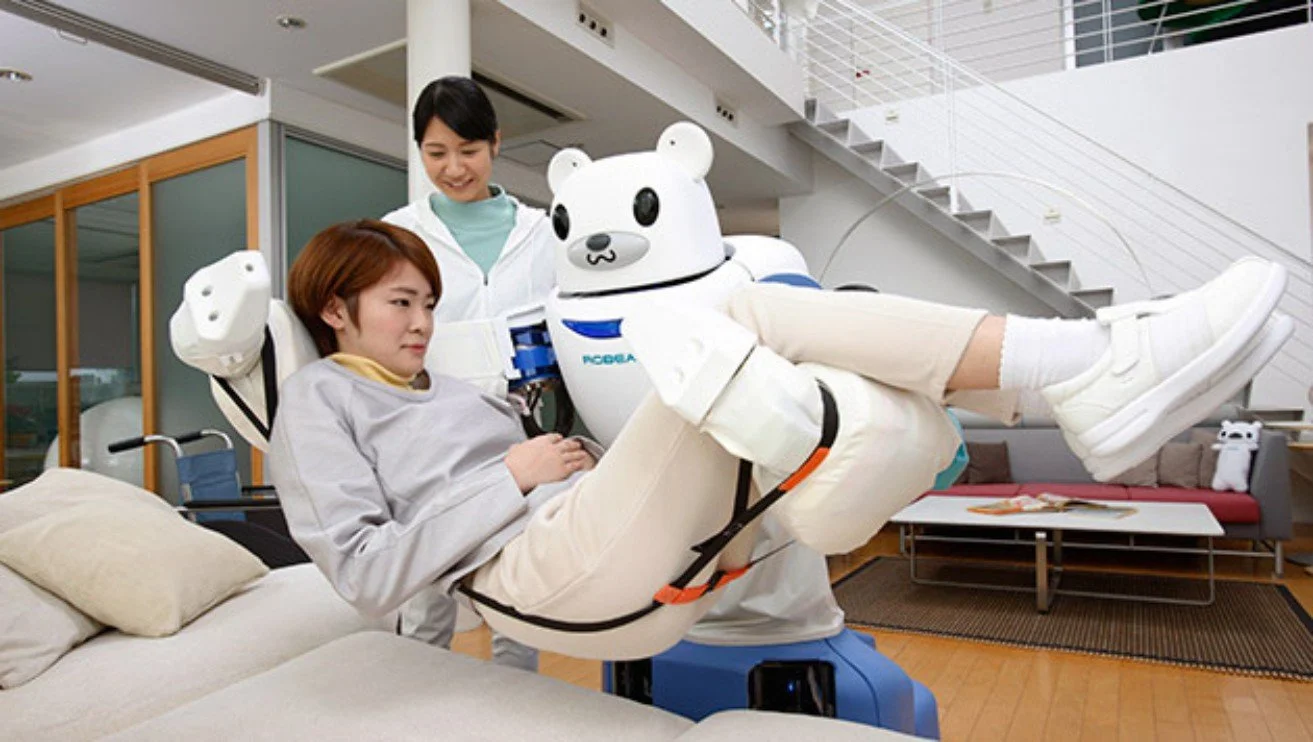
In hospitals and nursing homes the peace of mind of patients is equally important. Robots supporting patient care are gradually being introduced. Electric motor whine and squeaks on such machines don’t help gaining the confidence of vulnerable patients. But also other common medical devices in close proximity of humans like MRI systems, infusion pumps, respirators (CPAP), electric hospital beds, lung ventilators, etc. produce object-able noises. And they add to patient stress during care or examinations.
Various technologies are available to identify (diagnose) the sources of noise emission, to reduce the sensitivity to electric motor vibration, to tune the modes of parts not to coincide with the operating frequencies of pumps and motors, and to improve the acoustics of the rooms, The Qsources sound sources and shakers are part of the measurement equipment.
High accuracy and well reproducing transfer functions (FRF) are essential for correct understanding and onward analysis. Noise and vibration development workflow often follows a pattern: simulation models are created and optimized, but their accuracy depends on physical validation. Modal testing of prototypes is required to refine these models and ensure they correctly represent real-world behavior.
The highly compact self-suspending and self-aligning shakers allow users to quickly gather quality FRF data. Compared to the alternative of instrumented hammers and externally supported shakers the FRF data is more consistent and more accurate. This is a critical advantage in the process of optimizing noise and vibration.
Some Applications
Noises from care supporting machinery
Gentile and quiet operation is essential for the acceptance of machines to support patient care. Various electric motors engage internal mechanisms. And the torques and loads can be high, stressing the mechanism to their limit.
The material and encapsulations surrounding the drive mechanisms help isolate the air-borne noise. Optimizing such isolation is performed most efficiently by using volume sound sources and tiny microphones on the internal motor surface. The reciprocal acoustic transfer functions accurately show the level of isolation and where acoustic and structural modes interfere. Sound sources for such measurements:
Potentially the noise is mostly structure borne from the motor and/or bearings across the frame and ‘limbs’. In which case inverse load identification and TPA analysis can help pinpointing the dominant mechanisms and dominant structural eigenmodes. The above type of volume sound sources can be applied to gather vibro-acoustic transfer data. And small shakers are needed to excite the frame and limbs to determine their sensitivity, eigenmodes and vibro-acoustic transfer.
If you wish to understand more on vibro-acoustics and reciprocity. Use the link/button on the right. An example on a robotic vacuum cleaner shows the principle of vibro-acoustic transfer and reciprocity.
Tactile vibration on medical power tool
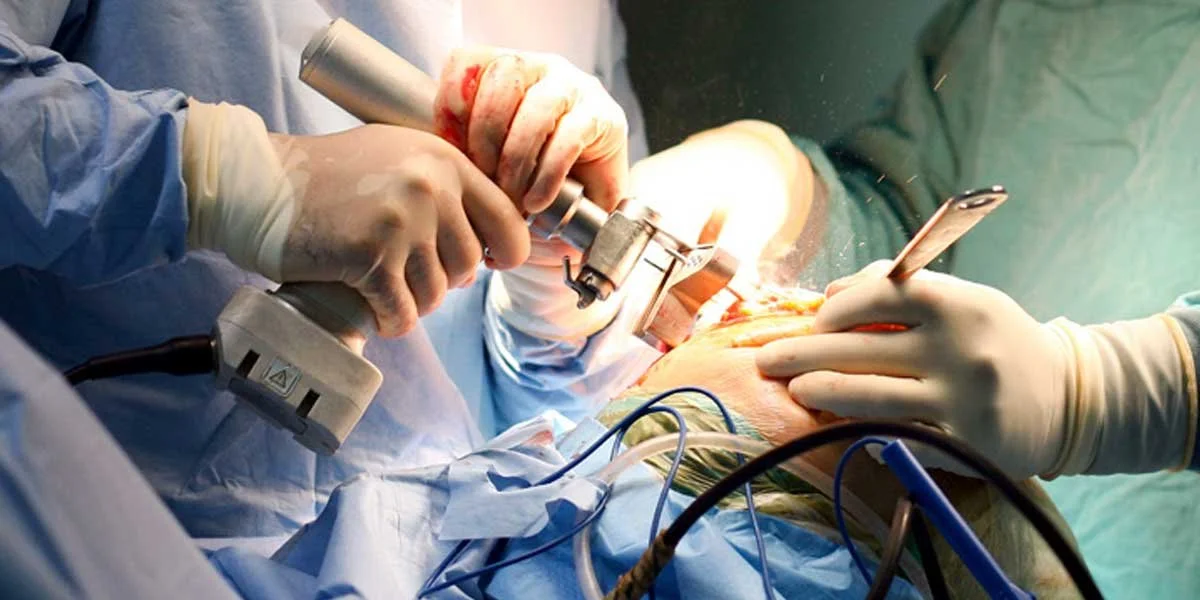
Controlling the modes of the motor, saw-blade, drill-head etc. helps to limit fatigue of the operating staff. Experimental modal analysis can be applied on the components to tune the eigen frequencies of the components and sub-assemblies, Inverse load identification motor and bearings helps to set targets for drive units, and thus limit unwanted vibration.
And when these devices are linked to a robotic actuator the analysis becomes more complex because of interaction with the robot structure and mechanisms. In that case tactical feeling is not the issue but accurate and predictable operation is. TPA transfer path analysis and EMA experimental modal analysis are used to determine where modifications are needed or possible.
Potential shakers for measurements in an analysis of such an application:
MRI scanner noise
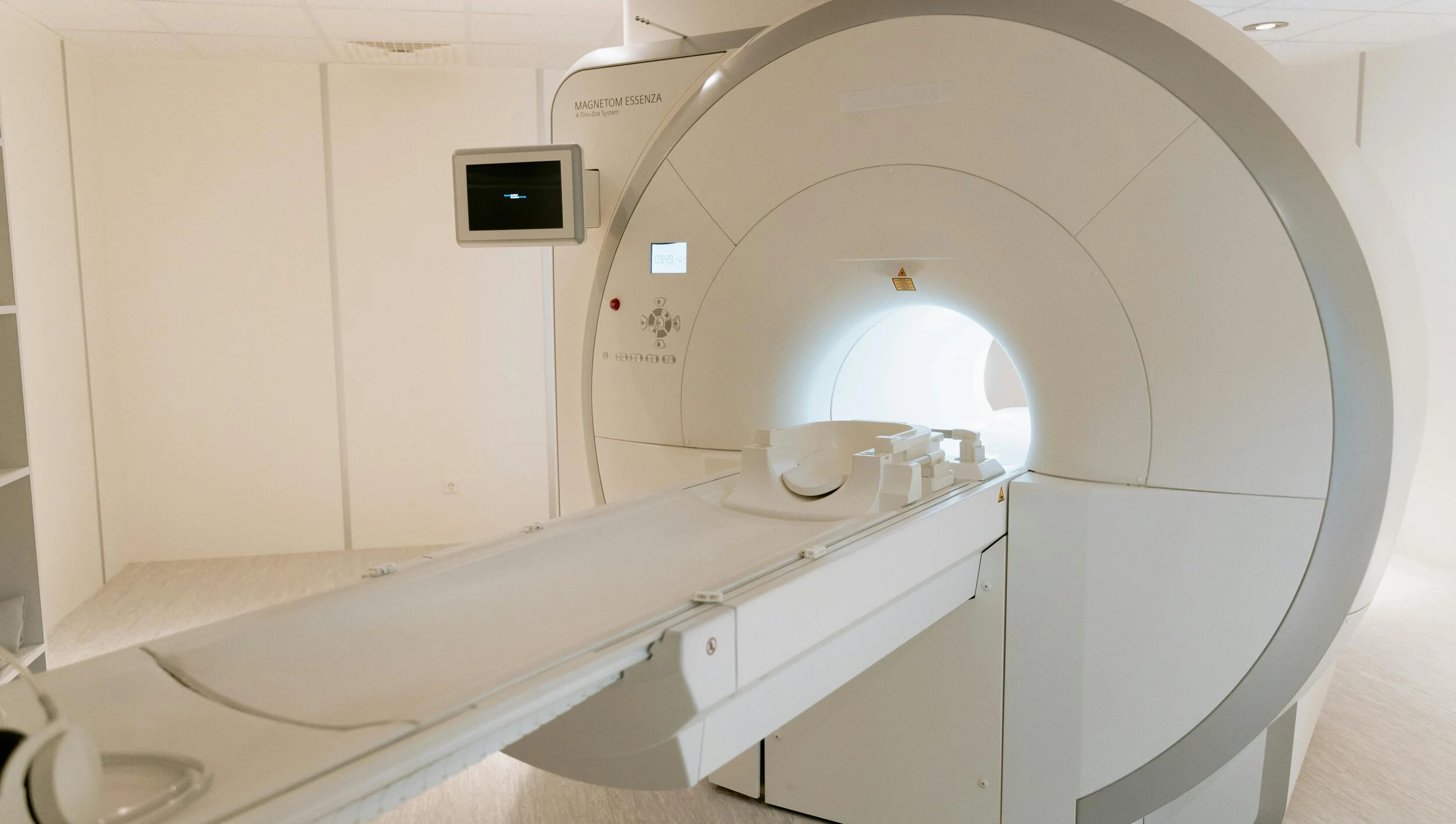
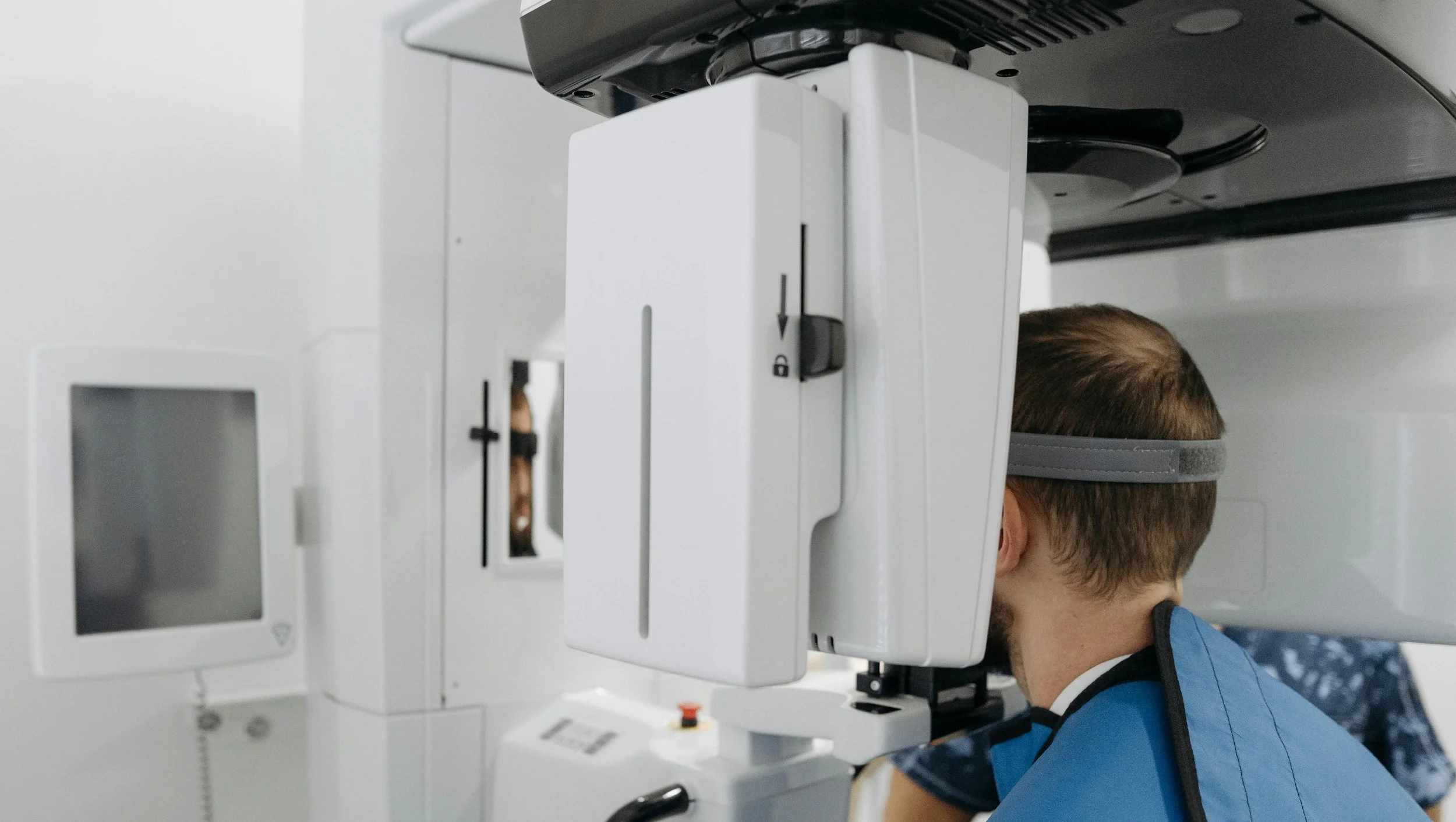
One of the most detailed and useful scanning techniques requires massive magnetic bursts. These pulses or bursts are like magnetic hammer impacts. The hydrogen atoms, mostly linked to water in our body, react to this. And the magnetic field emission due to such reaction is measured to make maps of the tissues in our body.
The gradient coils are activated and deactivated and each time generate impulsive forces on the scanner structure and the main coil. The high frequency of switching during the scan leads to high levels of vibration on the gradient coils and other components like the panels. And as a result there is high noise level in the room, and especially in the scanned volume close to the coils. Where possible the process is modeled, and the model is used to analyze isolation and reduction changes. Experimental Modal Analysis (EMA) on the components and transfer function (FRF) measurements is used to verify and improve the numerical models to describe this process of noise generation.
Beside the magnetic pulses, there is extreme cooling needed to be able to generate and sustain the main magnetic field. The Helium pumps and their tubing is optimized to limit their noise emission.
Techniques such as Transfer Path Analysis (TPA) and Component TPA help engineers understanding how structure-borne energy propagates through the pumps and interfaces and contributes to acoustic noise. Both simulation validation and TPA rely on precise frequency response function (FRF) measurements.
Highly suitable shakers for measurements on scanner structure, coils, pumps etc. from low to high frequency:
To optimize the housings, absorption, sealing, and reduce airborne emission volume sound sources provide the highest level of accuracy. They can be used for acoustic transfer and reciprocal vibro-acoustic transfer measurements from low to high frequency:
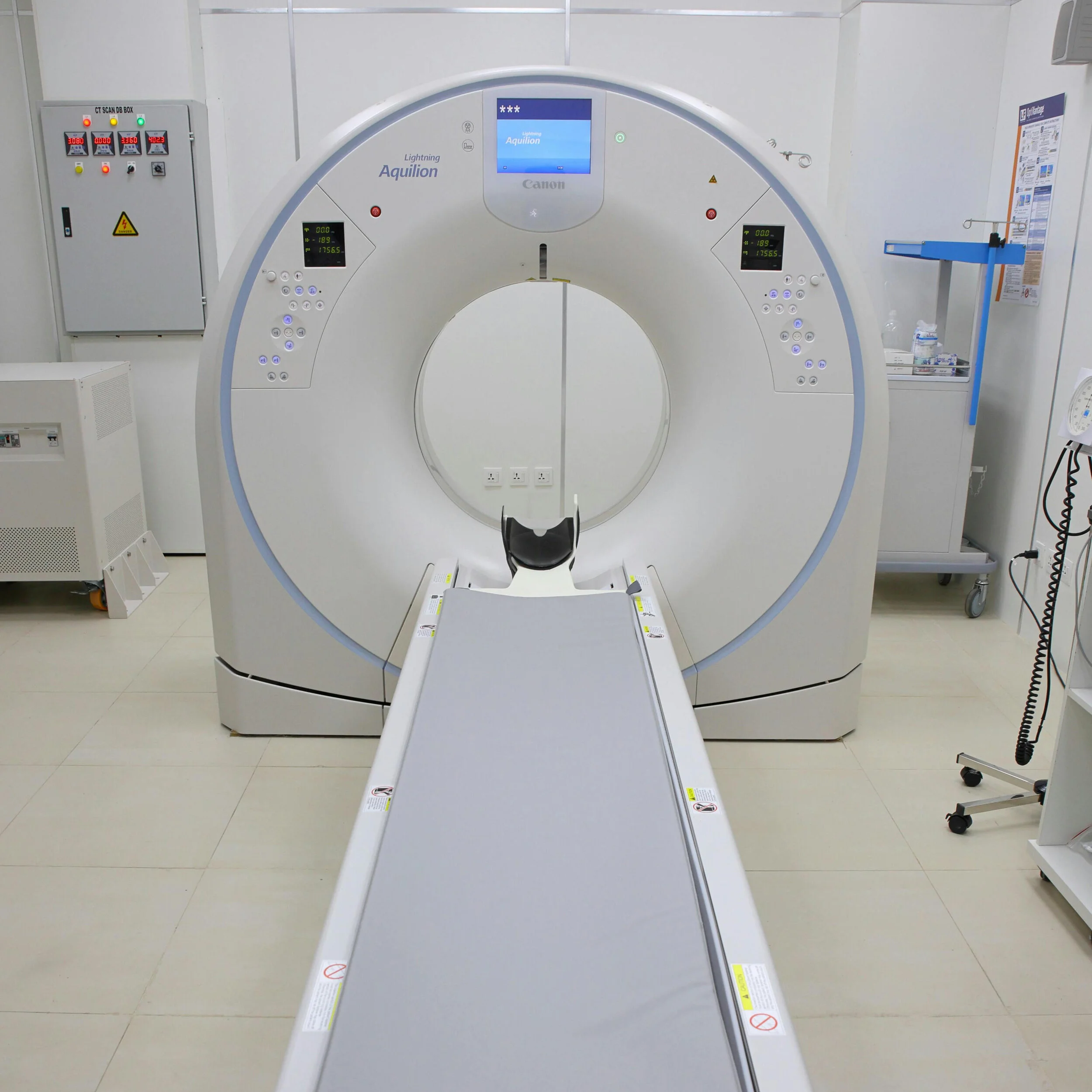
Acoustic Qualification of Medical Facilities
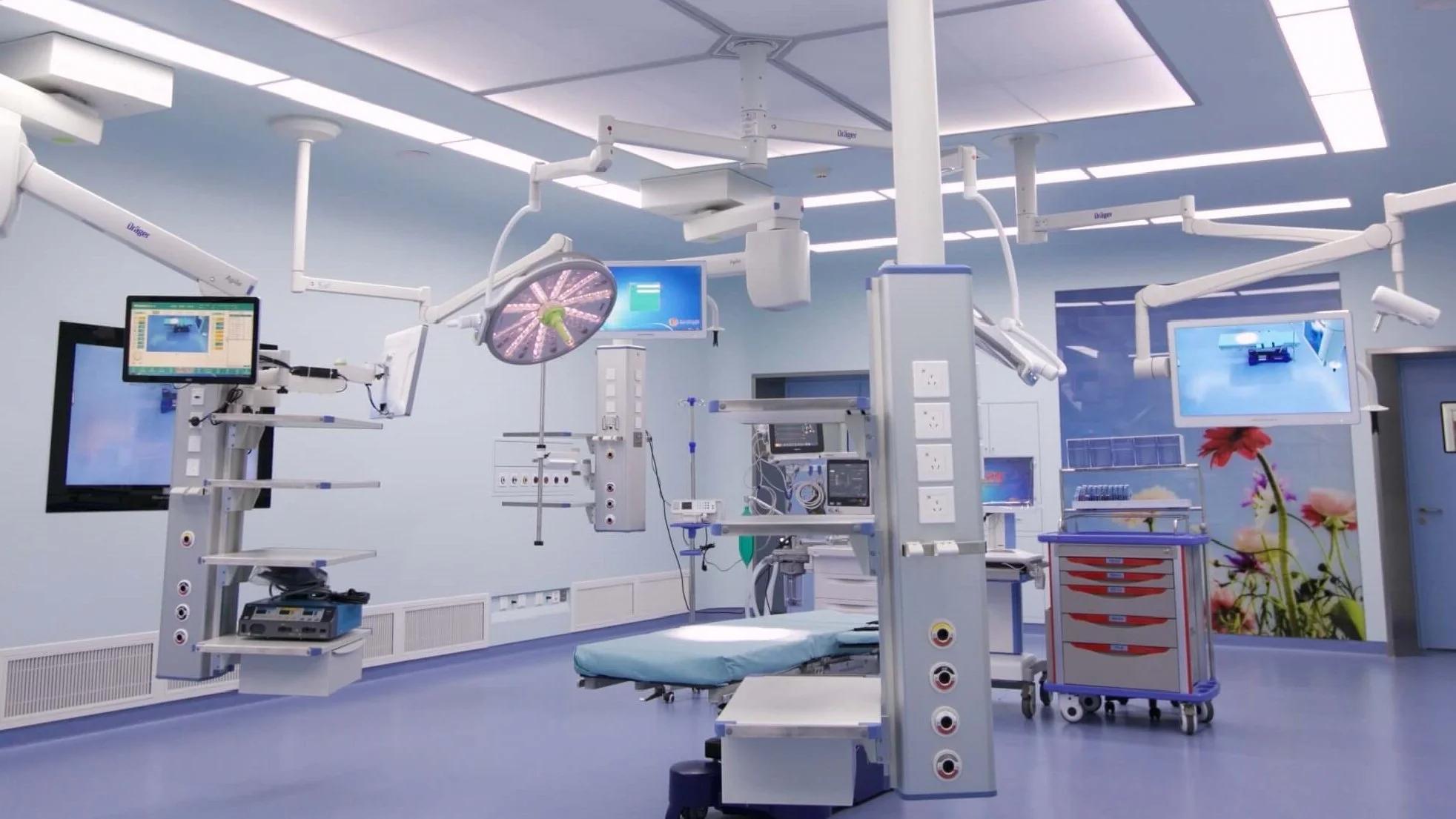
Beyond the noise emission of the devices and equipment, all medical spaces and equally so patient care zones require room-acoustic design. Most challenging are the acoustics of operating rooms. To create a nearly sterile environment, smooth surfaces are used wherever possible. Unfortunately this amplifies reflections and makes conversation difficult. And apparently some teams listen to music while operating. The target is to introduce sufficient absorption material over a wide frequency range in the zones that allow such. Measurement of room impulse responses and reverberation time allows numerical models to be tuned and validated, and it allows experienced acousticians to advise on the best configuration for speech intelligibility and acoustic comfort.
The compact and accurate Qsources omnidirectional sources for room and building acoustics applications:
More on room acoustics can be found under the building acoustics application section.
All described measurements also require software and sensors, of which several are available in the market. Depending on the exact application our partners,
Siemens, HEAD acoustics, Polytec, all propose leading full chain solutions including the Qsources excitation sources and shakers.